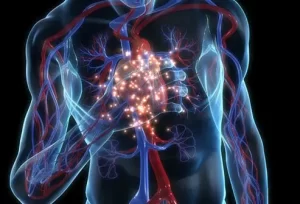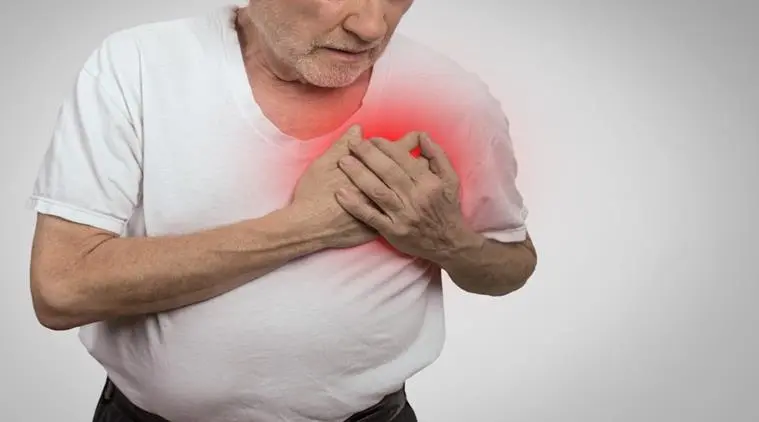
Every year, roughly one in three deaths in India can be traced back to the heart, according to the Registrar General of India’s latest report on causes of death. What makes the number more troubling is how early it strikes. Indians tend to suffer their first heart attack close to a decade earlier than people in wealthier countries, often before the age of 55, and long before most would think to check their blood pressure or cholesterol.
This World Heart Day 2026, Dr. Robert Grant, MD, MSc, FACS, St. George’s University, School of Medicine, Grenada, West Indies, points to the reason this keeps happening: too many people at risk simply do not look like they are at risk.
“Cardiovascular diseases still remain the number one cause of death in the globe but several sources of danger can be established and controlled long before suffering a heart attack or stroke. One of the greatest gaps in prevention lies in poor recognition of cardiovascular danger particularly among women, young people, and disadvantaged groups. Some people who may not fit the stereotype of a heart disease patient include women, young individuals, and disadvantaged groups. Making routine checkups, as well as controlling cholesterol levels, checking for diabetes, and having preventive consultations more accessible should contribute to identifying risks much earlier.
Addressing these gaps also demands a more robust primary care workforce and improved access to qualified medical professionals, especially in underserved areas. At St. George’s University School of Medicine in Grenada, West Indies, we understand the importance of training future doctors to spot possible risk factors at an early stage of their careers. Medical education will play an important role by helping trainees develop the healthcare skills necessary to identify factors affecting health, such as obesity and poor diet, as well as the communication skills needed to help patients make important lifestyle changes.
At the individual level, awareness of own cardiovascular risk numbers such as blood pressure, cholesterol, blood sugar, weight, and family history – can instigate quick responses. Access to affordable preventive screenings, lifestyle changes and appropriate medical treatment can ease the impact of heart diseases.
The theme of World Heart Day, 2026, “Use Heart for Action” highlights the importance of prevention through taking actions. By means of increasing awareness, enhancing prevention techniques and providing healthcare professionals with the tools to deliver preventive healthcare services, everybody can be enabled to understand the heart disease risk factors before its symptoms show themselves.”
The pattern described here shows up constantly in clinics. A woman in her forties reports fatigue and back pain and is sent home with advice to rest, when the same symptoms in a man twice her age would prompt an immediate cardiac workup. A twenty five year old with a family history of heart disease assumes the risk belongs to someone older. A daily wage worker skips a screening not out of ignorance but because the nearest clinic is an hour away and a missed shift is a missed meal.
None of this calls for new medicine. It calls for a system, and a mindset, willing to look for danger in the people least expected to carry it. That starts with training doctors to ask the right questions early, and it ends with individuals knowing five simple numbers well enough to act on them: blood pressure, cholesterol, blood sugar, weight, and family history.